

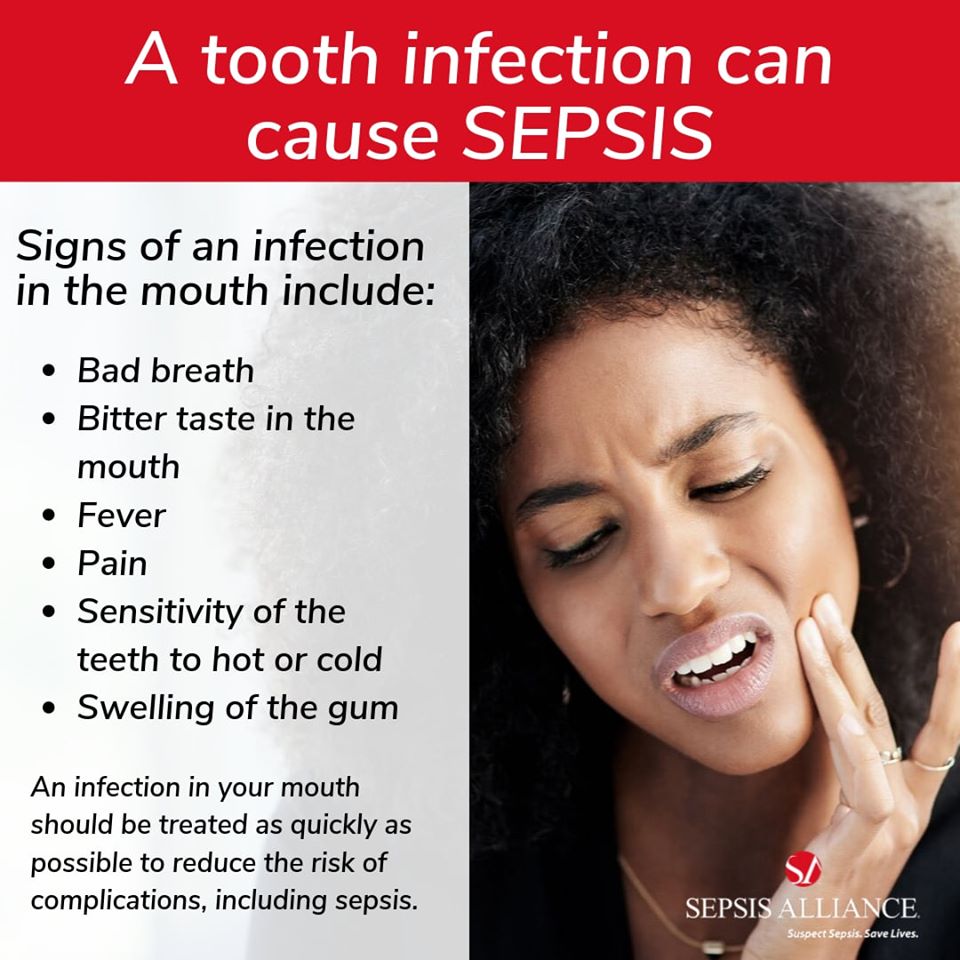
A tooth abscess is more than just a painful bump in the mouth. It’s a pocket of pus caused by a bacterial infection, and while it’s common to think of it as a dental problem, it can quickly become a medical emergency.
Sepsis is a life-threatening reaction to infection, and when it starts from a tooth abscess, the early signs can be subtle but dangerous. Understanding these first signs can help you act fast and possibly save a life.
What Is Sepsis And How Does It Relate To Tooth Abscess?
Sepsis happens when the body’s response to infection becomes uncontrolled, causing inflammation that can lead to organ failure. A tooth abscess is a localized infection, but if bacteria enter the bloodstream, the infection can spread. This is how sepsis can begin from a simple dental issue.
Recent studies show that dental infections are responsible for about 2–5% of sepsis cases in adults. While the percentage seems small, the consequences are severe. According to the Canadian Institute for Health Information, sepsis kills nearly 1 in 4 people who develop it in Canada.
Recognizing the signs early is key to preventing this outcome.
Early Signs Of Sepsis From A Tooth Abscess
The first signs of sepsis often look like common symptoms, but their rapid progress makes them unique. Here are the main early signs to watch for:
1. Fever Or Low Body Temperature
A sudden fever is usually the first sign. The body raises its temperature to fight infection. However, in some cases, especially in older adults, the body temperature may drop below normal.
2. Rapid Heart Rate
A heart rate over 90 beats per minute, even when resting, signals trouble. The body tries to pump blood faster to carry immune cells to the infection.
3. Fast Breathing
If you notice breathing over 20 breaths per minute without physical activity, this can be an early warning. The body needs more oxygen as it fights the infection.
4. Confusion Or Disorientation
Sepsis can cause changes in the brain. Feeling confused, having trouble speaking, or forgetting simple things are signs the infection is affecting the nervous system.
5. Extreme Fatigue Or Weakness
Feeling tired is common with any infection, but in sepsis, the fatigue is severe. You may struggle to get out of bed or perform daily tasks.
6. Shivering Or Feeling Very Cold
Chills or shivering, especially with fever, are signs of the body fighting infection. These may come and go.
7. Low Blood Pressure
As sepsis develops, blood pressure drops. This is harder to spot at home but can cause dizziness or fainting.
8. Skin Changes
Look for pale, mottled, or clammy skin. Sometimes, the skin may look bluish, especially around the lips or fingers.
9. Reduced Urine Output
If you notice you are urinating less, it could mean your organs are struggling. The kidneys are often affected early.
10. Persistent Mouth Or Facial Pain
Unlike regular tooth pain, abscess pain gets worse and spreads. Swelling may move to the jaw, cheek, or neck.
These signs may develop over hours or days. Noticing them early, especially after a tooth abscess, is critical.

How Tooth Abscess Leads To Sepsis
A tooth abscess starts with bacteria entering the tooth through a crack or cavity. If untreated, the infection spreads to the gum, then to the jawbone, and possibly into the blood. Once bacteria reach the bloodstream, they travel to other organs.
Here’s a simple breakdown:
| Stage | Location | Symptoms |
|---|---|---|
| Early | Tooth | Local pain, swelling, pus |
| Spread | Gum/Jaw | Facial swelling, pain, difficulty swallowing |
| Bloodstream | Body | Fever, rapid heart rate, confusion |
Sepsis from a tooth abscess can develop faster than from some other sources because the mouth is full of blood vessels, giving bacteria easy access.
Comparing Tooth Abscess Symptoms Vs Sepsis Symptoms
It’s easy to confuse symptoms of a tooth abscess with those of sepsis. Here’s a side-by-side look:
| Tooth Abscess | Sepsis |
|---|---|
| Localized pain | Whole-body weakness |
| Swelling near tooth | Low blood pressure |
| Pus discharge | Confusion |
| Difficulty chewing | Fever or chills |
| Bad taste in mouth | Rapid breathing |
If you notice symptoms in both columns, especially after a dental infection, seek emergency care.
Who Is Most At Risk?
Certain people are more likely to develop sepsis from a tooth abscess:
- Older adults (over 65)
- People with diabetes
- Those with weakened immune systems
- Patients with heart disease
- Individuals with poor oral hygiene
Children can also develop sepsis, but the signs may be different. In children, look for lethargy, irritability, and poor feeding.
Non-obvious Early Signs Most People Miss
Many people focus on the obvious signs like fever and pain. But here are two early signs that are often missed:
1. Sudden Drop In Blood Pressure
You might not have a blood pressure monitor at home, but unexplained dizziness or feeling faint can mean blood pressure is low. This is a silent sign of sepsis.
2. Mental Changes Before Fever
Confusion or trouble focusing can appear before the fever. If someone with a tooth abscess suddenly acts strangely, it’s time to get help.
What Should You Do If You Suspect Sepsis?
If you notice any of the signs above, especially after a dental infection, do not wait. Sepsis needs urgent treatment. Here are the steps:
1. Call Emergency Services
In Canada, call 911 or your local emergency number. Tell them you suspect sepsis from a tooth abscess.
2. Do Not Delay Care
Waiting even a few hours can make sepsis worse. Do not try to treat it at home.
3. Tell Medical Staff About The Tooth Abscess
Often, medical professionals focus on the symptoms and may miss the dental cause. Always mention the recent dental infection.
4. Bring A List Of Symptoms
Write down all the symptoms, even if they seem unrelated. This helps doctors spot sepsis faster.
Diagnosing Sepsis From A Tooth Abscess
Doctors use several methods to diagnose sepsis:
- Blood tests to look for infection markers
- Urine tests for organ function
- Imaging (like X-rays or CT scans) to find the source of infection
- Vital signs monitoring
Dental X-rays may show the abscess, but blood tests confirm sepsis.
Here’s a quick comparison of diagnostic tools:
| Tool | Detects Abscess | Detects Sepsis |
|---|---|---|
| X-ray | Yes | No |
| Blood test | No | Yes |
| CT scan | Yes | Sometimes |
| Vital signs | No | Yes |

Treatment Options
Sepsis treatment usually starts in the hospital and includes:
- IV antibiotics
Strong medicine to kill bacteria quickly.
- Fluids
To help blood pressure and organ function.
- Surgery or drainage
If the abscess is large, doctors may need to remove pus.
- Monitoring
Doctors watch for organ failure and other complications.
Early treatment can improve survival rates by up to 50%. Delaying care lowers the chances of recovery.
Preventing Sepsis From Dental Infections
Prevention is easier than treatment. Here are practical tips:
1. See A Dentist Regularly
Checkups catch problems early.
2. Treat Cavities And Gum Disease Quickly
Do not ignore dental pain or swelling.
3. Follow Oral Hygiene Routines
Brush twice daily, floss, and use mouthwash.
4. Finish Antibiotics As Prescribed
Stopping antibiotics early increases infection risk.
5. Know Your Risk Factors
If you have diabetes or a weak immune system, be extra careful.
The Canadian Dental Association recommends seeing a dentist at least once per year, even if you have no pain.
Frequently Asked Questions
What Is The Most Common First Sign Of Sepsis From A Tooth Abscess?
The most common first sign is fever. It usually appears suddenly and may be higher than 38°C (100.4°F). However, in some people, especially the elderly, body temperature may drop instead.
How Fast Can Sepsis Develop From A Tooth Abscess?
Sepsis can develop within hours to days after a tooth abscess. The speed depends on your immune system, age, and the severity of the infection. In rare cases, it can progress extremely quickly.
Can Sepsis Be Treated At Home?
No. Sepsis is a medical emergency and needs hospital treatment. Home remedies or over-the-counter medicine cannot cure sepsis. Call emergency services if you suspect it.
How Can I Tell If Tooth Pain Is Turning Into Sepsis?
Watch for whole-body symptoms like fever, confusion, rapid heart rate, and weakness. If pain spreads beyond the tooth or is accompanied by these symptoms, sepsis may be starting.
Are There Long-term Effects After Recovering From Sepsis?
Some people experience long-term effects like memory problems, fatigue, or kidney damage. Recovery may take weeks or months. Follow up with your doctor to monitor your health.
Tooth abscesses are common, but sepsis is rare and dangerous. Knowing the early signs, taking quick action, and practising good dental care can prevent tragedy. If you want to learn more about sepsis and oral health, visit Wikipedia for detailed information.
Recognizing the first signs of sepsis from a tooth abscess could make the difference between a simple dental visit and a life-saving trip to the hospital. Always listen to your body and act fast if symptoms seem unusual.

With over 20 years of experience, he personally ensures that every patient receives exceptional, individualized care.


