

Recovery After Wisdom Tooth Removal In Surrey
Getting your wisdom teeth removed can feel stressful, but knowing what comes next makes things much easier. Many people in Surrey have this procedure, often between ages 17 and 25. While the surgery is common, recovery is different for everyone. By following the right steps, you can heal faster and avoid problems.
TL;DR:
After wisdom tooth removal in Surrey, focus on rest, ice packs, and soft foods. Most people recover in 3–7 days. Avoid smoking, drinking through straws, and hard foods. Call your dentist if you notice unusual pain or swelling.
What To Expect After Surgery
Most patients experience swelling, mild pain, and some bleeding for the first 24–48 hours. Here’s a general idea of what you’ll notice:
- Swelling peaks around day 2–3, then slowly goes down
- Some bleeding or oozing is normal for 12–24 hours
- Soreness in the jaw and difficulty opening your mouth fully
- Numbness from anaesthesia may last a few hours
Here is a quick comparison of typical recovery experiences:
| Day | Common Symptoms | What Helps |
|---|---|---|
| Day 1 | Bleeding, swelling, numbness | Gauze, ice packs, rest |
| Day 2–3 | Peak swelling, mild pain | Painkillers, soft foods, saltwater rinse |
| Day 4–7 | Decreasing pain, stiffness | Gentle jaw movement, warm compresses |
Most people return to normal activities after a week, but full healing can take a few weeks.
Steps For A Smooth Recovery
Your actions after surgery have a big impact on how well you heal. Here’s what to do:
- Rest as much as possible for the first 48 hours. Avoid sports or heavy lifting.
- Use ice packs on your cheeks for 20 minutes on, 20 minutes off. Do this for the first day to control swelling.
- Take prescribed medications as directed. Over-the-counter pain relievers also help.
- Eat soft foods like yogurt, mashed potatoes, and smoothies. Avoid hot, spicy, or crunchy foods.
- Gently rinse your mouth with warm salt water starting 24 hours after surgery. This keeps the area clean.
Insider tip: Many forget that hydration matters. Drink plenty of water, but don’t use a straw—suction can disturb the blood clot.
Foods To Eat And Avoid
Diet is a key part of your recovery. Some foods help, while others cause problems.
| Best Foods | Foods to Avoid |
|---|---|
| Yogurt, pudding | Chips, nuts, hard bread |
| Mashed potatoes, soup | Spicy foods, popcorn |
| Scrambled eggs, applesauce | Acidic fruits, carbonated drinks |
Non-obvious tip: Avoid dairy if you feel nauseous after surgery—it can make things worse for some people. Try clear broths instead.
Activities And What To Avoid
For a strong recovery, avoid these common mistakes:
- Don’t smoke or vape for at least 72 hours. Smoking slows healing and increases infection risk.
- Don’t touch the area with your tongue or fingers.
- Don’t spit forcefully or rinse aggressively.
- Don’t drink alcohol for at least a few days.
Gentle walks are fine after 48 hours, but avoid strenuous activity for one week.
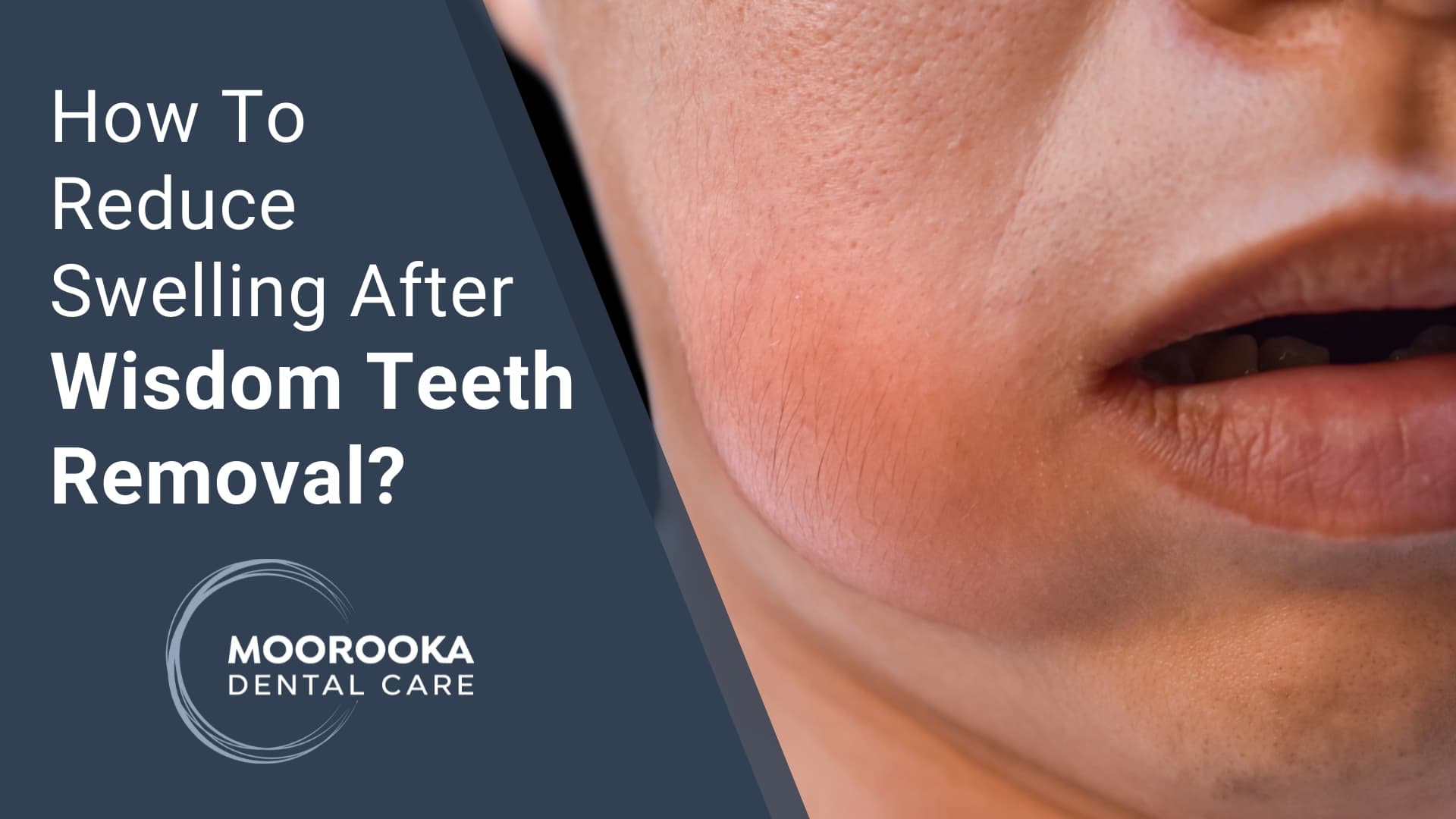
Credit: www.moorookadentalcare.com.au
When To Call Your Dentist
Most discomfort is normal, but some signs mean you need help:
- Severe pain after 3 days (possible dry socket)
- High fever or pus in your mouth
- Bleeding that won’t stop after 24 hours
- Trouble breathing or swallowing
These problems are rare, but Surrey dentists handle them quickly if you call.
Local Tips For Surrey Patients
Surrey’s climate is damp, which can affect swelling. Keep your head elevated with an extra pillow. Also, traffic in Surrey can be busy—ask a friend or family member to drive you home after surgery.
Many clinics in Surrey offer follow-up checks within a week. These visits are important to catch any early issues and ensure you’re healing well.
How Long Does Full Healing Take?
Tissue heals in 1–2 weeks, but the jawbone may take a few months to fully close the socket. You’ll feel back to normal much sooner, but don’t rush eating crunchy foods.
Here’s a quick overview of recovery speed based on age:
| Age Group | Typical Healing Time | Notes |
|---|---|---|
| Teens (15–19) | 3–5 days | Fastest recovery |
| Young Adults (20–29) | 5–7 days | Moderate swelling |
| Adults (30+) | 7–10 days | More soreness |
Extra insight: Healing is often slower if the teeth were impacted or if stitches were used. Follow your dentist’s advice closely.
Frequently Asked Questions
How Long Should I Use Ice Packs After Wisdom Tooth Removal?
Use ice packs for the first 24 hours after surgery. Apply them in 20-minute intervals (20 minutes on, 20 off) to reduce swelling.
Can I Brush My Teeth After The Procedure?
You can brush your teeth gently, but avoid the extraction site for the first few days. Use a soft-bristled toothbrush and be gentle.
When Can I Eat Solid Foods Again?
Start with soft foods for at least 3–5 days. Slowly add more solid foods as you feel comfortable and as directed by your dentist.
What Is Dry Socket And How Can I Prevent It?
Dry socket happens when the blood clot is lost too early, exposing bone. Avoid using straws, smoking, or touching the area to lower your risk.
Is It Normal To Have A Bad Taste In My Mouth After Surgery?
A bad taste can happen during healing. Saltwater rinses help. If it doesn’t go away or you notice pus, call your dentist.
Recovery after wisdom tooth removal in Surrey is straightforward if you follow these steps and listen to your dentist. Don’t rush back to normal food or activities too soon. If you’re unsure about your symptoms or want personal advice, it’s always best to check with your dental clinic.
If you need a check-up or have concerns, you can easily schedule an appointment with a Surrey dentist for peace of mind.
For more information on dental surgery and recovery, visit the Canadian Dental Association.

With over 20 years of experience, he personally ensures that every patient receives exceptional, individualized care.


