

Canadians frequently ask whether their dental insurance includes costly procedures such as dental implants. The response isn’t straightforward, and grasping the specifics can help you save both money and anxiety. Dental implants are a favored option for replacing lost teeth, but they tend to be pricier than the standard dental services. Let’s delve into how insurance applies to implants in Canada, what you should anticipate, and how to maximize your benefits.
What Are Dental Implants?
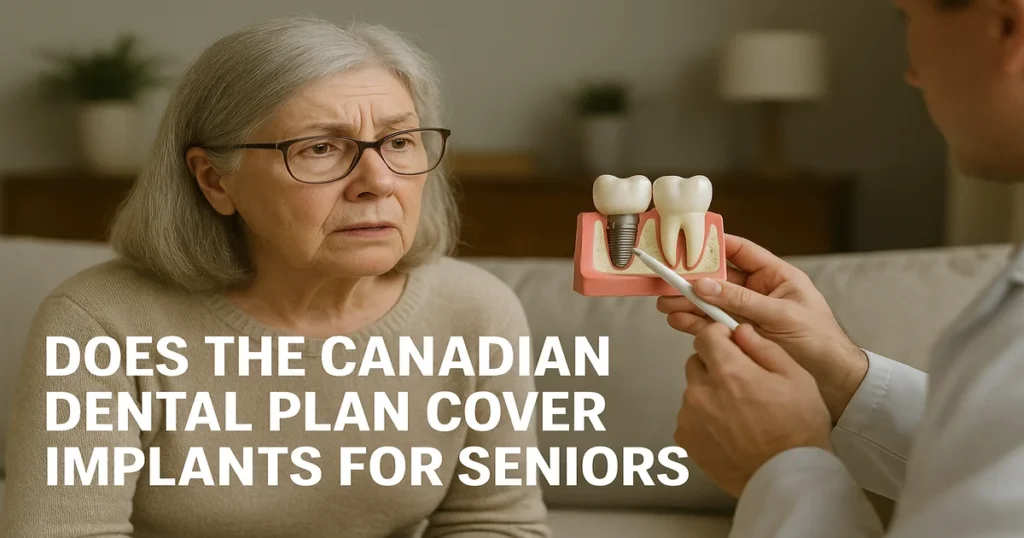
A dental implant is a small metal post placed into your jawbone. It acts as an artificial root, holding a crown or bridge. Dental implants look and feel like natural teeth. They are long-lasting, but the process is complex and often takes several months.
Implants are not just cosmetic. They help with chewing, speaking, and maintaining the shape of your face. However, the cost for a single implant in Canada can range from $3,000 to $6,000. This includes surgery, the implant itself, and the crown.
How Dental Insurance Works In Canada
Dental insurance in Canada usually pays for basic services like cleanings, fillings, root canal treatments, and extractions. Plans also cover some major services such as dentures and crowns. However, coverage varies depending on the provider, plan type, and employer.
Most Canadians get dental insurance through their workplace. Individual plans are also available, but they often have lower coverage and higher premiums. Insurance companies set maximum annual limits—often around $1,500 to $3,000 per year—so you may need to pay for part of any major treatment.
Are Dental Implants Covered?
Many people assume dental insurance will pay for implants, but coverage is limited. Implants are often considered a cosmetic procedure. This means many plans either exclude them or pay for only part of the process.
Typical Coverage Scenarios
- No Coverage: Some plans specifically state implants are not covered.
- Partial Coverage: Some plans pay for the crown or bridge placed on the implant, but not the implant surgery itself.
- Alternative Benefit: Insurance may pay for a cheaper treatment, like a removable denture, instead of an implant.
Here’s a comparison showing how different plans handle dental implants:
| Plan Type | Implant Surgery | Crown/Bridge | Annual Limit |
|---|---|---|---|
| Basic Employer Plan | Not Covered | Covered (50%) | $1,500 |
| Premium Private Plan | Covered (50%) | Covered (80%) | $2,500 |
| Standard Individual Plan | Not Covered | Covered (40%) | $1,000 |
Always check your policy details before starting any dental implant treatments.
Key Factors Affecting Coverage
Several factors decide if and how much your insurance will pay for implants:
- Plan type: Premium plans offer better coverage.
- Annual limit: You may need to spread treatment over two years.
- Waiting period: Some plans require you to wait 6–12 months before major treatments.
- Pre-authorization: Most insurers demand pre-approval for implant surgery.
- Alternative treatment clause: If a cheaper option exists, your plan may only pay for it.
Here’s a table comparing common insurance requirements for dental implants:
| Requirement | Typical Policy | Impact |
|---|---|---|
| Pre-authorization | Required | Delays treatment, must submit paperwork |
| Waiting period | 6–12 months | Cannot claim implants right away |
| Alternative treatment | Applies | May only reimburse for dentures |
Common Mistakes And Non-obvious Insights
Many people make mistakes when planning for dental implants:
- Assuming full coverage: Always read your policy carefully. Even if your plan mentions implants, it may not cover all costs.
- Ignoring annual limits: Implant costs can easily exceed your yearly maximum.
- Not considering alternative treatments: Insurance may pay more for bridges or dentures.
- Missing pre-authorization: Without approval, claims can be denied.
A non-obvious insight: Some plans cover implants only if you lost teeth due to an accident, not regular decay. Another: You can sometimes use a Health Spending Account to pay for implants tax-free if you’re self-employed.
Ways To Manage Implant Costs
Dental implants are expensive, but you can reduce your out-of-pocket costs:
- Ask your dentist to submit a pre-determination to your insurer. This shows you exactly what will be covered.
- Split treatment over two calendar years to use two annual limits.
- Check if your workplace offers a Health Spending Account or flexible benefits.
- Shop for dental financing. Some clinics offer payment plans.
- Compare insurance plans before major dental work. Premium plans may be worth the extra cost.
For more details about dental insurance in Canada, visit the Government of Canada website.
Frequently Asked Questions
Does Dental Insurance In Canada Usually Cover Dental Implants?
Most plans do NOT cover implant surgery fully. Some pay for the implant crown placed on the implant, but you’ll likely pay most of the cost yourself.
What Is The Average Cost Of A Dental Implant In Canada?
A single dental implant costs $2,000 to $4,000. This includes surgery, the implant post, and the artificial tooth.
Can I Use My Health Spending Account For Dental Implants?
Yes, if you have a Health Spending Account (HSA), you can use it for implant costs. Self-employed Canadians often use HSAs to pay for dental treatments tax-free.
What Should I Do Before Starting Implant Treatment?
Always check your insurance policy and ask your dentist to submit a pre-determination. This tells you what is covered and prevents surprises.
Are There Alternatives If My Insurance Won’t Cover Implants?
Yes. You can consider bridges, dentures, or payment plans offered by your dentist. Sometimes insurance covers these alternatives better.
Dental implants are a big investment. Understanding how dental insurance in Canada works for implants can help you plan wisely. Always read your policy, ask questions, and explore all options before starting treatment. With careful planning, you can avoid unexpected costs and get the smile you want.

With over 20 years of experience, he personally ensures that every patient receives exceptional, individualized care.


